



 38 / 166

Electricity usage has also received attention
in Belgium with LED lighting and motion
detection systems being introduced into
various sites; photovoltaic (PV) solar systems
being installed in Thuin and Kruibeke; and
employee awareness being encouraged to
target a 6% decrease in consumption by the
end of 2019.
Our Czech and Slovakian operations have
been replacing warehouse lighting with LED
solutions, and have converted one factory
with an electricity-efficient microprocessor.
A depot has installed a full photovoltaic
(PV) solar energy system, allowing it to be
completely independent of the national
electricity grid.
Water availability, cost and quality are
increasingly an area of concern. Our Belgium
operations have introduced various water
saving initiatives including the installation of
rainwater harvesting tanks at its Flanders
plant, which is used for the change room
facilities. In the Netherlands, two sites (Ede
and Schiedam) have introduced waterless
washing processes for their truck fleet.
Employee development
Employee numbers have increased during
2017. The Netherlands has a specific focus
on hiring employees living with disabilities,
and has set itself a 2025 target of 5% of staff
to be “distanced from the labour market” due
to disabilities.
In Poland, a labour social fund has been
established for direct benefit to employees
with R8,3 million being directed towards this
during 2017.
Expenditure on employee training and
learnerships has increased to R17,2 million
with most of this taking place within our
Netherlands operations.
Although stable, our lost time injury
frequency rate (LTIFR) remains a
management focus area.
Community and social support
Expenditure on social projects increased
significantly in 2017.
The nature of the supported projects are
similar across all our European operations.
This is characterised mostly by support
to local sports teams, such as the Czech
sponsorship of “Kralupy nad Vltavou” ice
hockey team; unsold food donated to
charitable food banks; and direct support to
local charities, hospitals and hospices.
In addition to its support of sports clubs, the
Netherlands continues to sponsor an annual
“Ouderendag” (Day of the Elderly) in which
staff and residents of local old age homes
visit the Ouwehands Dierenpark wildlife
sanctuary in Rhenen.
Sustainability
Consistency in sustainability activities
have been achieved across our European
geographies against an operating
background of increased sales, and a
trading profit improvement of 20,5%.
This performance is indicative of stable
management and operational processes in
the region.
Environmental commitment
Most of our environmental efforts in Europe
have focused on energy efficiency at our
sites of operation and fuel optimisation in our
vehicle fleets through driver behaviour, and
the routes they travel.
Driving skills are central to improved fuel
efficiency. In the Netherlands driver training
with regards to improved fuel efficiency has
been a core focus, and a fleet telematics
system has been introduced into 50%
of the fleet. This is undoubtedly resulting
in improved fuel consumption patterns.
Account managers within the inner
Amsterdam city limits utilise scooters instead
of cars, and cycle-powered “bubble post” is
used for local deliveries.
Our Belgium operations have also focused
on driver behaviour and optimisation of
routes travelled, generating confidence within
the operation that fuel consumption will
decrease by 5% by the end of 2019.
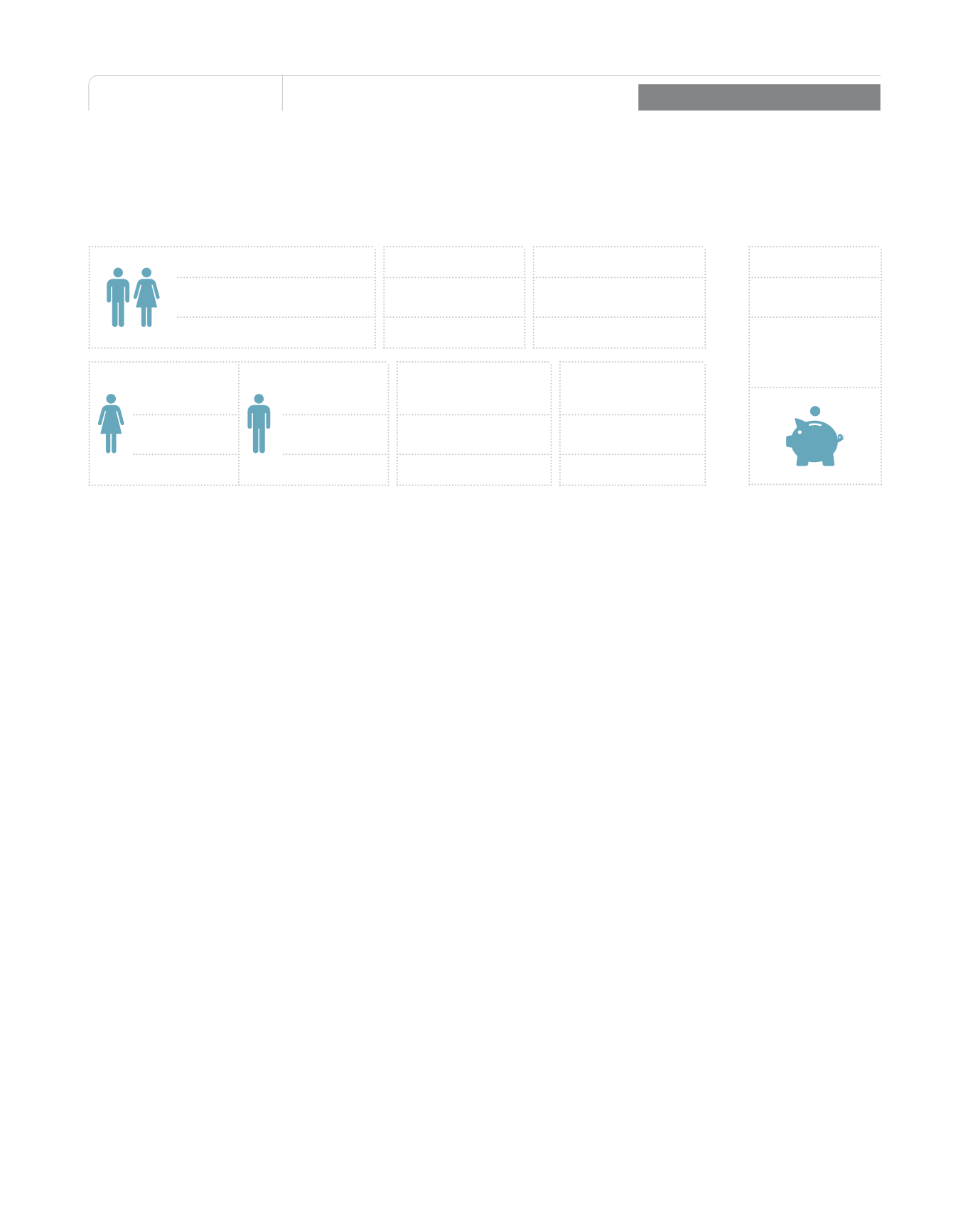
Female
employees
Male
employees
Lost-time injury
frequency rate
(LTIFR)
Employee
training spend
1 805
4 425 8
R17,2m
2016: 1 704
2016: 4 007
2016: 8*
2016: R13,8m
LABOUR
Number of employees
Fatalities
Payroll spend
6 230
0
R3,6bn
2016: 5 711
2016: 0
2016: R2,7bn
SOCIAL
CSI spend
R16,3m
2016: R5,1m*
DIVISIONAL REVIEWS
Annual integrated report 2017
Bid Corporation Limited
34